Trees

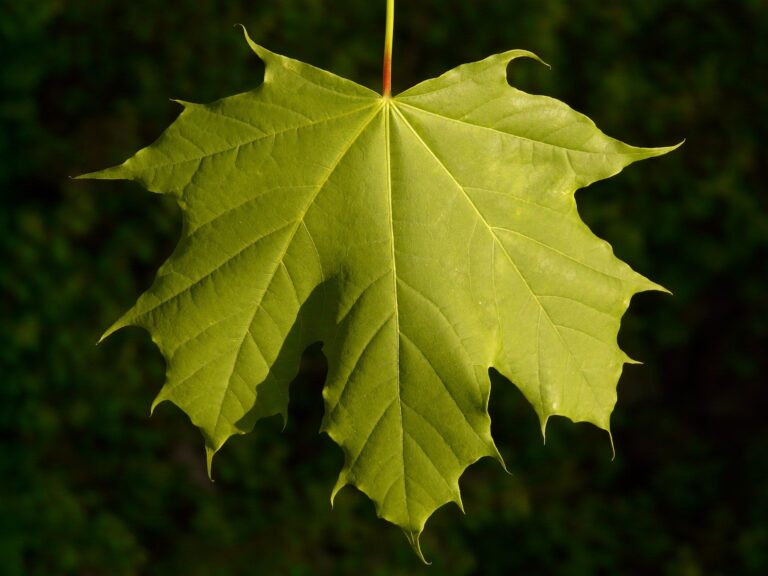
  • Maple, Norway (Acer platanoides)

    Introduced in the 17th century, the handsome Norway maple is known for its hardy timber. Its leaves are a favourite with caterpillars and its seeds are eaten by birds and small mammals. Common name:Norway maple Scientific name:Acer platanoides Family:Sapindaceae Origin:Non-native Norway maple is a deciduous broadleaf tree and can grow to 25m. The bark is…
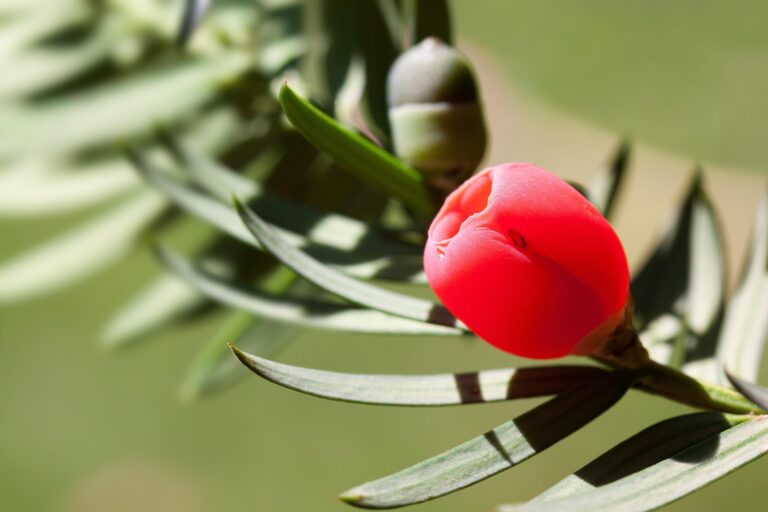
  • Yew (Taxus baccata)

    Ancient, morbid, toxic. The yew is one of the longest-lived native species in Europe. This has made it a symbol of death and doom, but it provides food and shelter for woodland animals. Common names:Yew, common yew, English yew Scientific name:Taxus baccata Family:Taxaceae Origin:Native Mature yew trees can grow to 20m. The bark is reddish-brown…

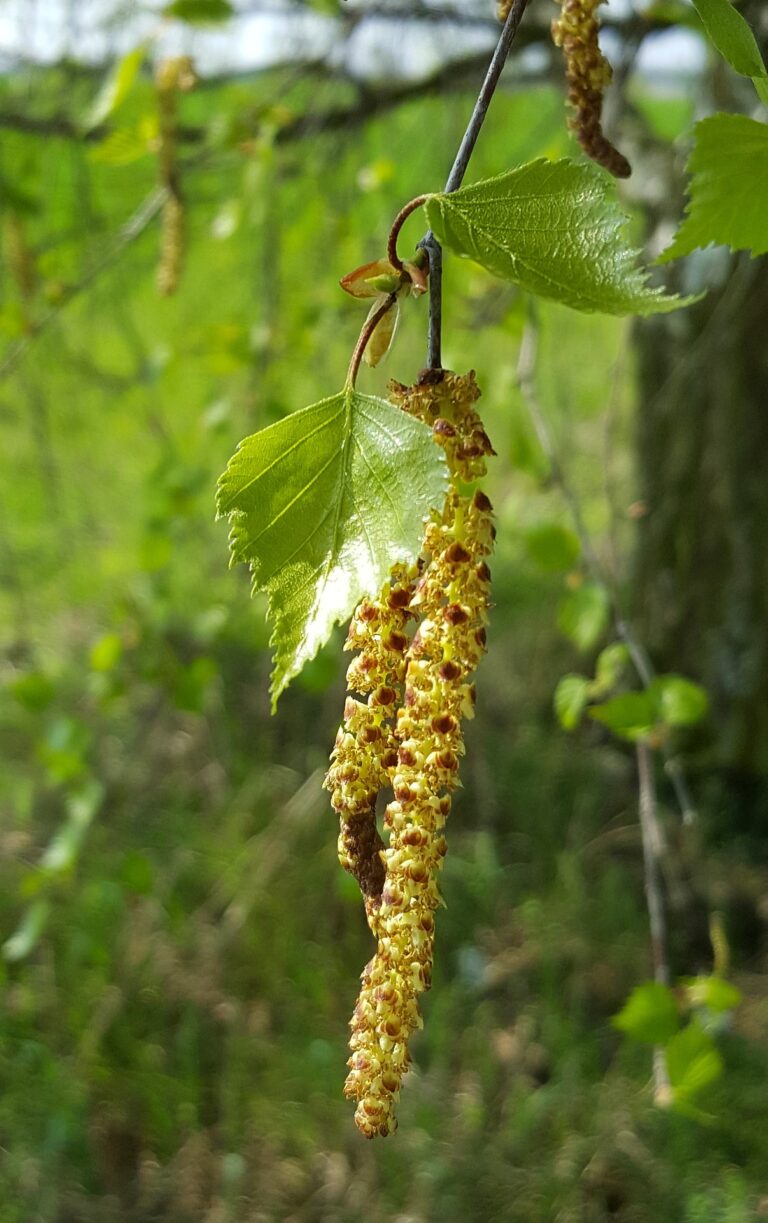
  • Birch, silver (Betula pendula)

    Pretty, pale, a symbol of purity. This common tree, with its silver-white bark, is favoured by gardeners who want to renew and purify their land for coming year. Common name:Silver birch Scientific name:Betula pendula Family:Betulaceae Origin:Native Silver birch is a striking, medium-sized deciduous tree. When mature they can reach 30m in height, forming a light…

  • Hornbeam (Carpinus betulus)

    Gnarled and mighty, the hornbeam is as tough as they come. It’s beautiful, useful, and its year-round leaf cover makes it a winter haven for wildlife. Common names:Hornbeam, common hornbeam, European hornbeam Scientific name:Carpinus betulus Family:Betulaceae Origin:Native Common hornbeam is a deciduous, broadleaf tree which has pale grey bark with vertical markings, and sometimes a…

  • Oak, English (Quercus robur)

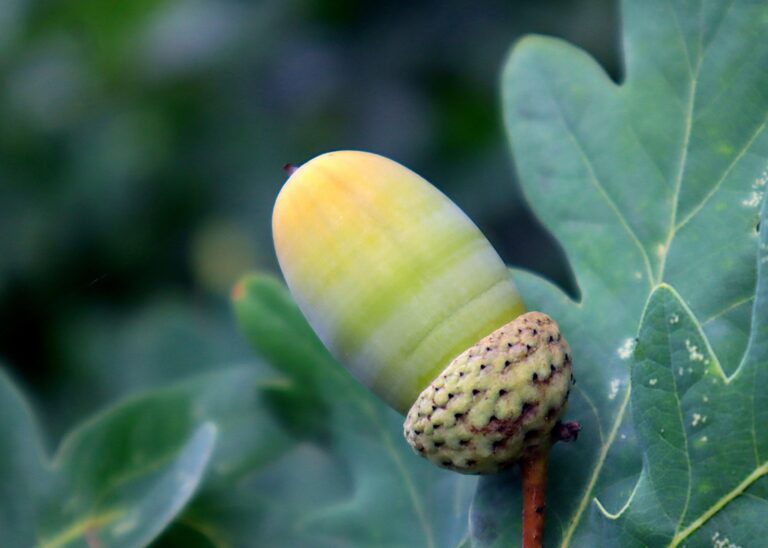
    The ruling majesty of the woods, the wise old English oak holds a special place in our culture, history, and hearts. It supports more life than any other native tree species in the UK; even its fallen leaves support biodiversity. Common names:English oak, pedunculate oak, common oak Scientific name:Quercus robur Family:Fagaceae Origin:Native A large, deciduous…

  • Cherry, wild (Prunus avium)

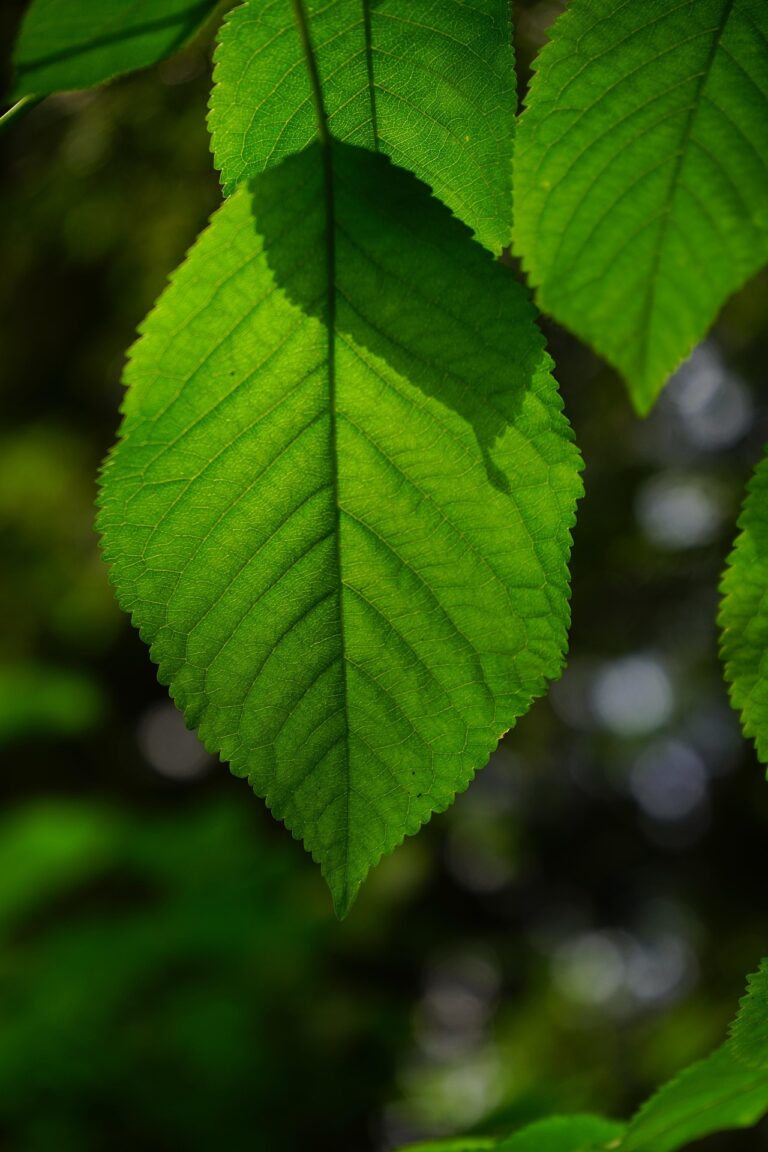
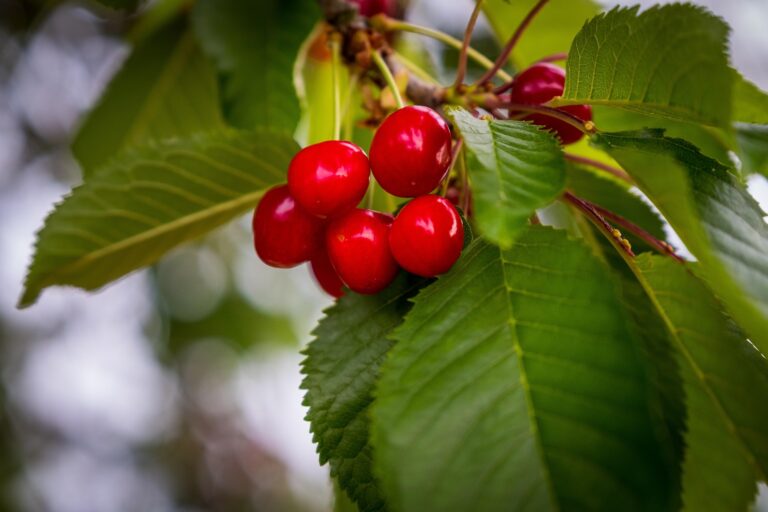
    Beautiful blossom and a bounty of bright red fruits. Wild cherry , one of the prettiest native trees, is relished by gardeners and wildlife. Common names:Wild cherry, sweet cherry, gean Scientific name: Prunus avium Family:Rosaceae Origin:Native Mature trees can grow to 30m and live for up to 60 years. The shiny bark is a deep reddish-brown…

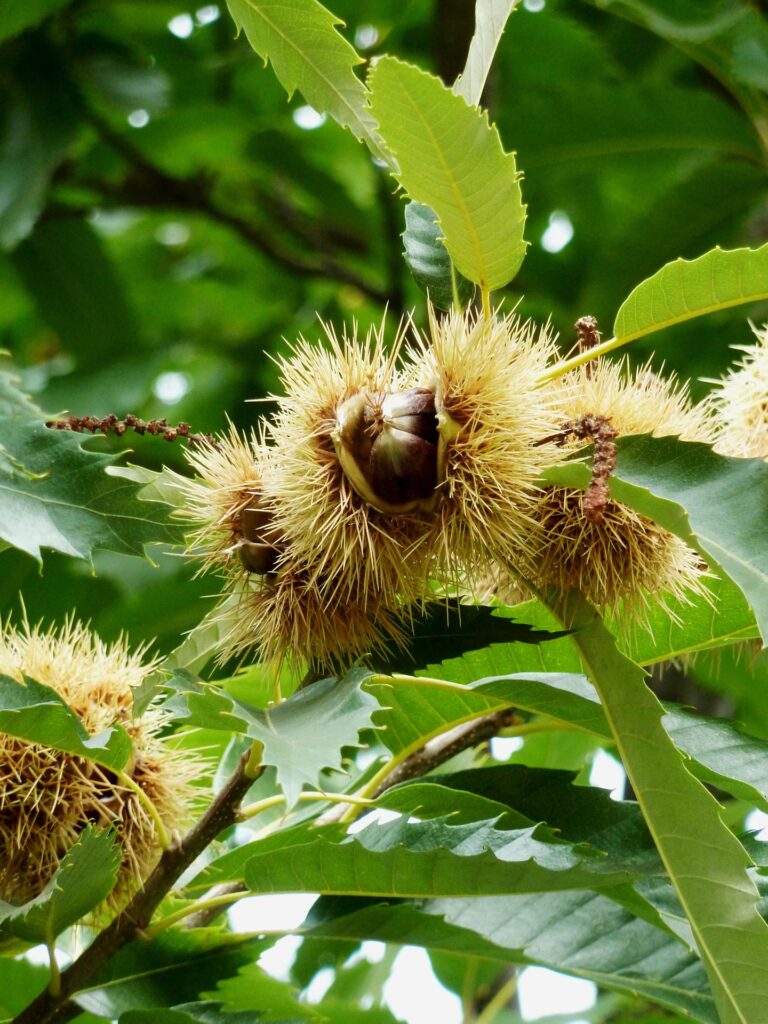
  • Chestnut, sweet (Castanea sativa)

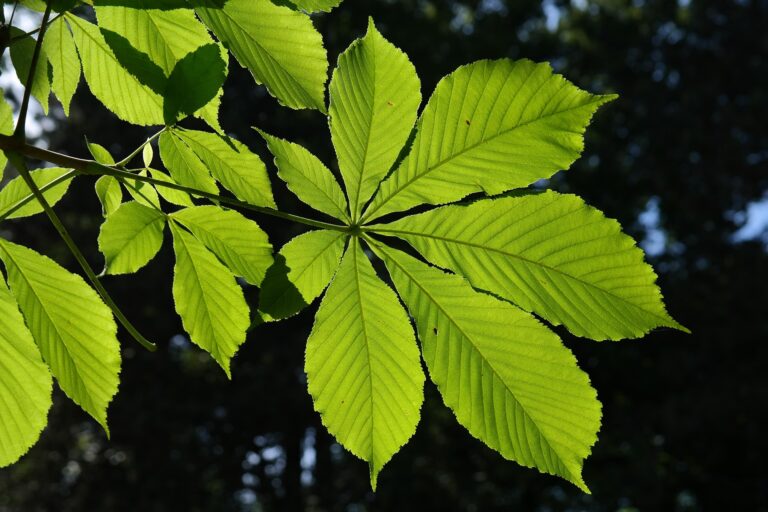
    Loved by the Romans and now a roasted winter treat here in the UK. These long-lived giants, with their prickly husks and deeply grooved bark, give us our classic Christmas nut. Common name:Sweet Chestnut Scientific name:Castanea sativa Family:Fagaceae Origin: Non-native Sweet chestnut is a deciduous tree which can reach 35m when mature and live for up…

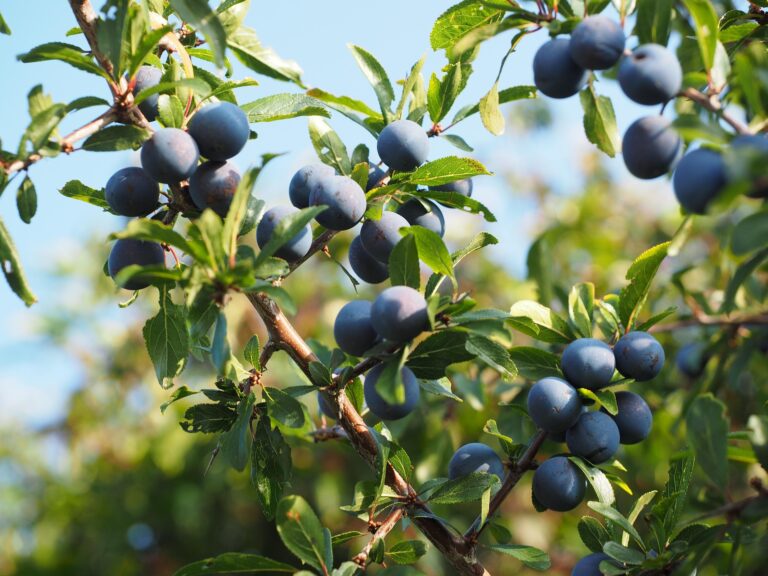
  • Blackthorn (Prunus spinosa)

    Early to blossom, blackthorn trees have clouds of snow-white flowers in early spring. They’re best known for their rich, inky, dark fruits used to make a favourite wintry tipple – sloe gin. Common names:Blackthorn, Sloe Scientific name:Prunus spinosa Family:Rosaceae Origin:Native Spiny and densely branched, mature trees can grow to a height of around 6–7m and…

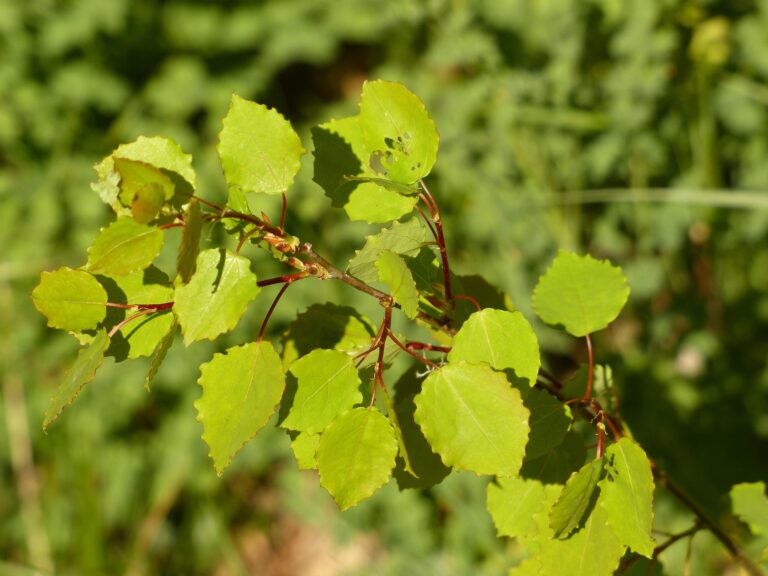
  • Aspen (Populus tremula)

    Trembling, fluttering and shimmering in the slightest breeze. The rippling leaves of this beautiful tree give it its name: quaking aspen. Common names:aspen, quaking aspen, common aspen, European aspen Scientific name:Populus tremula Family:Salicaceae Origin:Native Also known as quaking aspen, this is a beautiful tree with shimmering foliage. Mature trees grow to 25m. Older trees may…